
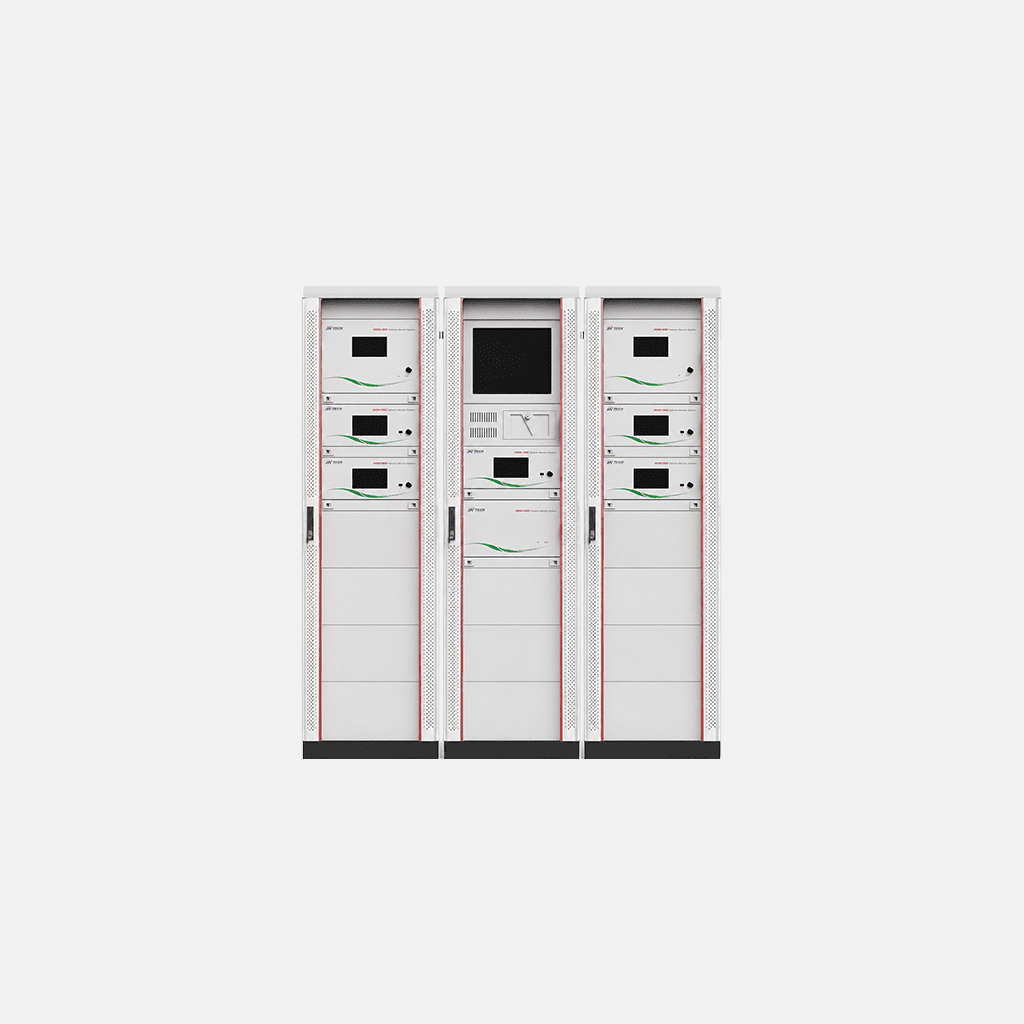
AQMS-1000
Warranty
Installation
Training
Product overview
Reliable environmental data starts with dependable equipment, and the AQMS-1000 delivers exactly that.
FPI has spent more than 20 years working specifically on ambient monitoring solutions, and behind that experience sits a team of over 1,500 R&D specialists across 8 innovation platforms. That kind of technical depth is part of why FPI can put together a tailored solution fairly quickly, rather than pushing every customer toward the same fixed setup regardless of their actual requirements.
At its core, the air quality monitoring system (AQMS) functions as a standard monitoring station, tracking conventional pollutants like SO2, NO, NOX, CO, O3, PM2.5, and PM10. Each pollutant is measured using a method suited specifically to it, and the system as a whole is built to meet both China’s environmental monitoring standards and US EPA certification requirements, which matters quite a bit for organizations operating across more than one regulatory framework.
The AQMS-1000 also comes with a dynamic calibrator and a zero-gas generator built in, both of which keep the system’s monitoring instruments properly calibrated. This isn’t a minor detail. Without regular calibration, even a well-built monitoring station will slowly start drifting from what’s actually happening in the air, so this feature does a lot of quiet work in keeping the data trustworthy over time.
As a trusted AQMS-1000 supplier, FPI provides support across the UAE, Saudi Arabia, Qatar, Kuwait, Oman, and Bahrain, helping organizations deploy monitoring systems suited to their regulatory and environmental requirements.
Choosing the Right AQMS Configuration
For facilities that need a fully equipped, standards-compliant setup, the standard AQMS-1000 delivers the most complete monitoring capability available in this line. Where space or budget is tighter, the AQMS-1000M compact air quality monitoring system offers much of the same core functionality in a smaller footprint, while still meeting the compliance requirements most regulatory bodies expect to see. For temporary or relocatable monitoring needs, emergency response work or short-term project assessments being good examples, mobile station options are available as well.
BDHME works directly with environmental agencies, industrial facilities, and research institutions to figure out which AQMS-1000 configuration actually fits their monitoring scope, whether that means a single standard air quality monitoring station or a wider network built around compact and mobile units operating together. For teams comparing air quality monitoring systems and real-time AQI analyzers, our team can walk through how the AQMS-1000 lineup stacks up for your specific compliance and deployment requirements.
Air Quality Monitoring System (AQMS)
FPI’s Ambient Air Quality Monitoring System, the AQMS-1000, is built around five sub-systems working together: sampling, gas dynamic calibration, meteorological parameter monitoring, standard parameter monitoring, and data acquisition and processing. Between them, these components let the system track key pollutants, SO2, NO, NOX, CO, O3, PM2.5, and PM10, giving environmental teams a genuinely rounded view of local air quality rather than a handful of disconnected readings.
Beyond the standard AQMS-1000 air quality monitoring station, FPI also builds compact and micro versions of the system, along with small mobile stations, so the setup scales to fit whatever a project actually needs, whether that’s space constraints, budget limits, or a narrower monitoring scope.
Complete calibration instrumentation
Full calibration equipment comes standard with the system, which helps keep measurement precision and reliability intact well beyond the initial setup phase.
Modular design
The AQMS-1000 standard air quality monitoring system can be configured to match actual monitoring needs. A site tracking only a few pollutants isn’t stuck paying for capacity it doesn’t use, while sites with broader requirements can scale the configuration up as needed.
Straightforward data acquisition software
Managing several monitoring instruments through one interface makes day-to-day operation a lot more manageable, and the software itself is built to keep centralized management simple rather than something that requires specialized training just to run.
Multiple communication options
RS232, Ethernet, or USB, the system supports all three, which gives facilities some real flexibility in how they connect the AQMS air quality machine into existing data infrastructure.
US EPA method compliance
For organizations that need recognized regulatory compliance, this isn’t optional, and it’s built into the system from the ground up.
Low maintenance requirements
Daily operation and upkeep stay reasonably light, which matters a lot for facilities that don’t have a dedicated technical team on-site around the clock.
The AQMS-1000 air quality monitoring station supports a fairly broad set of use cases, including:
- Routine, ongoing environmental management programs
- Air quality assurance during major competitions or conferences
- Emergency monitoring during periods of heavy pollution
- Urban air quality management for municipal or regional authorities
- Border and transportation monitoring around key pollution sources
- Agricultural production environment monitoring
- Other specialized monitoring scenarios as they come up
Find the Right Solution for Your Laboratory
Need help selecting the right product for your application? Our specialists can guide you with product specifications, pricing, installation, and technical support across the UAE and Middle East.