
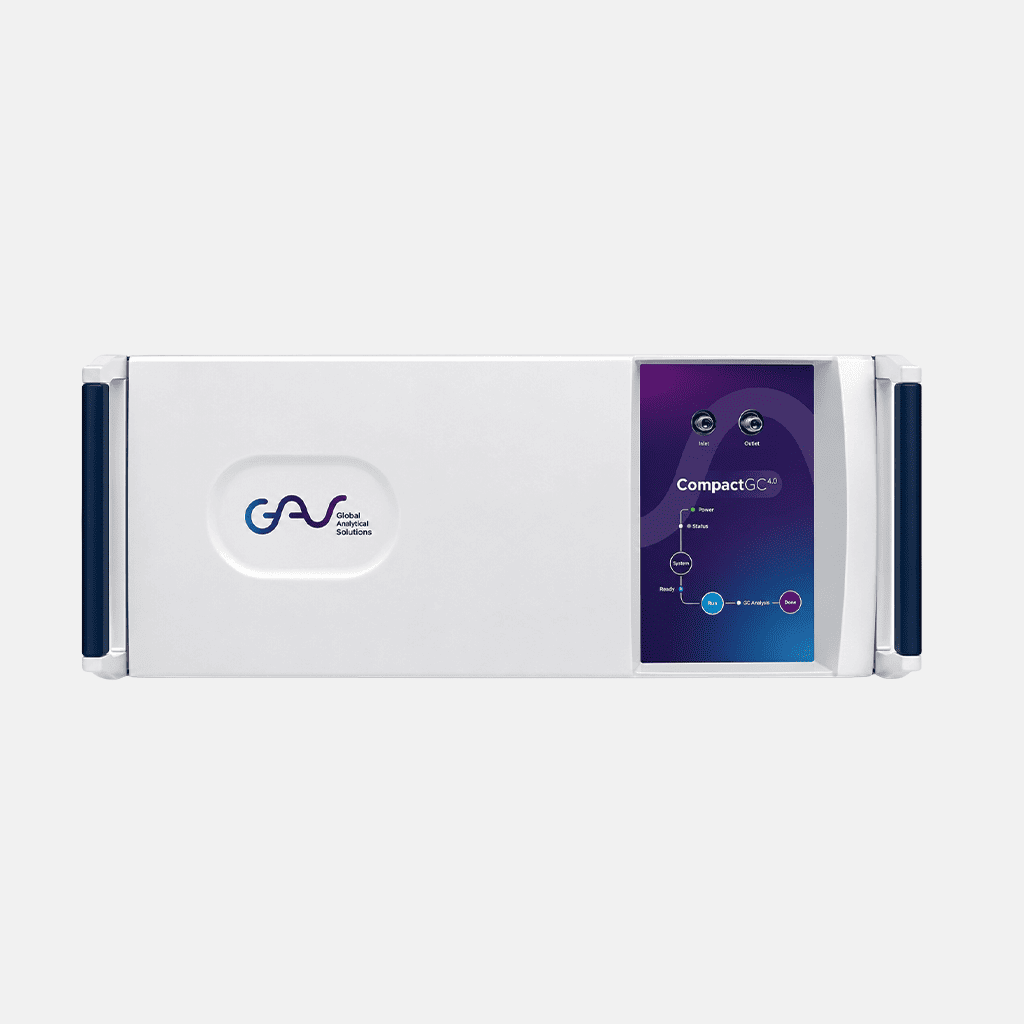
Low Sulphur Analyzer
Warranty
Installation
Training
Product overview
The GAS Low Sulphur Analyser delivers high-precision, low-level sulphur detection in gas, liquid, and hydrocarbon streams.
Even in minute quantities, sulphur compounds can cause outsized problems. H₂S, COS, mercaptans, and thiophenes are corrosive and toxic, and they quietly damage catalysts long before any process issue becomes visible. This is precisely why low level sulphur analysis has become its own dedicated field: someone has to identify these compounds early, whether they appear in gas, liquid, or liquefied hydrocarbon streams.
As a trusted High-Precision Low Level Sulphur Analysis supplier serving the UAE, Saudi Arabia, Qatar, Kuwait, Oman, and Bahrain, we engineered the GAS Low Level Sulphur Analyser to meet that exact need. The system builds on proven GC technology, while offering flexibility on the detection side, choosing from FPD, PFPD, SCD, or GC-MS with atomic emission detection (AEI), depending on the sample type and sensitivity demanded. Some applications only require ppm-level detection. Others, especially where catalyst protection matters most, call for configuring the analyser as an ultra low sulphur analyzer, capable of measuring below 1 ppb while maintaining strong repeatability and linearity across a broad concentration range.
Every configuration is designed for reliable long-term operation and complies with the standards labs already follow, including ASTM, ISO, GPA, UOP, DIN, and EN methods.
ASTM D6228, D5303, D5504, D3328, D4735, D5623, D7011, UOP791, ISO 19739, ISO 21087
This is a broad list on purpose. Labs running sulfur analyzers rarely answer to just one regulatory body, and having this range of compliance already built in means fewer gaps to fill when a new customer specification or audit requirement comes along.
Flexible Detector Configurations:
The choice between FPD, PFPD, SCD, or MS usually comes down to two things: how sensitive the analysis needs to be, and what the budget allows. In some setups, more than one detector runs within the same system, which gives a lab room to adjust as testing needs change over time.
Ultra-Low Detection Limits:
When GC-MS (AEI) is part of the configuration, sulphur detection can drop below 1 ppb. Not every application needs to go that low, but for the ones that do, there isn’t really a substitute.
High Selectivity and Linearity:
Equimolar response stays consistent, and linearity holds across up to four decades, even in hydrocarbon matrices that aren’t straightforward to work with. That kind of stability is easy to overlook until you’re troubleshooting an analyzer that can’t hold a calibration curve under real sample conditions.
Automated Calibration and Stable Results:
An optional Automatic Calibration Unit (ACU), built around permeation tubes, keeps multi-level calibration accurate without someone having to step in and manually recalibrate at every stage.
Modular and Scalable Design:
The system works well on its own, but it can also be paired with NGA, RGA, or other GAS analysers. For labs running several types of analysis at once, that combination tends to reduce both physical footprint and long-term operating costs
Trace Sulphur Analysis in Natural Gas and Fuel Gases:
Picking up sulphur components at ppb levels protects catalysts, pipelines, and every process downstream of them. This is, in many ways, the core reason a low level sulphur analyser earns its place in a facility.
Sulphur Determination in Liquid and Liquefied Hydrocarbons:
LPG, propylene, diesel, and light petroleum liquids can each be tested using GSV, LSV, SSL, or PTV injection techniques, with the method selected based on sample type and the sensitivity the job requires.
Olefin Feedstock Quality Control:
In ethylene and propylene production, trace amounts of H₂S, COS, arsine, or phosphine are enough to poison the catalysts used further down the line in polymer manufacturing. Measuring these compounds at ultra-low levels isn’t optional in this context, it’s a routine part of keeping feedstock quality where it needs to be.
Refinery and Petrochemical Process Monitoring:
Refinery gas, hydrogen streams, and intermediate process gases all need regular checks for sulphur impurities. This is one of the more frequent, day-to-day applications for a low sulphur analyser in refinery operations.
Laboratory and Regulatory Compliance Testing:
Labs that need results tied directly to recognized standards rely on the same principle this system is built around, low sulphur analyser accuracy paired with documented method compliance, which together support the kind of testing regulators and customers expect to see.

Find the Right Solution for Your Laboratory
Need help selecting the right product for your application? Our specialists can guide you with product specifications, pricing, installation, and technical support across the UAE and Middle East.