
High Purity Analyzer (HPA)
Warranty
Installation
Training
Product overview
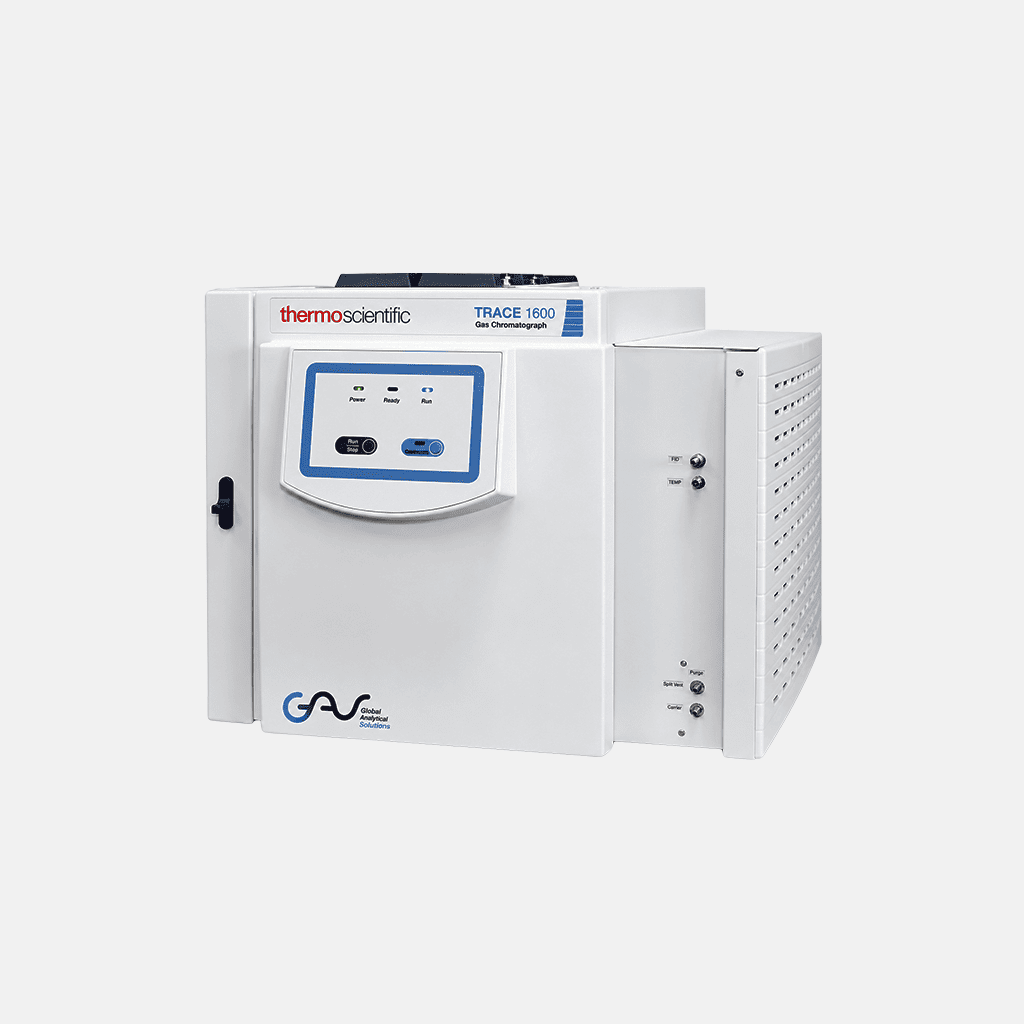
The GAS High Purity Analyser (HPA), from a trusted High Purity Analyser supplier, delivers ultra-trace impurity analysis for bulk and speciality gases.
Gases at bulk and high-purity grades show up everywhere, from petrochemical plants to pharmaceutical manufacturing, food production lines, and semiconductor fabs. What ties these industries together is how little room there is for error. A handful of parts per billion of the wrong impurity can throw off a process, shorten equipment life, or create a safety concern nobody wants to deal with. That’s really the starting point for why high purity gas analysis exists as its own discipline: someone has to catch those trace impurities before they become a bigger problem downstream.
As a trusted High Purity Analyser supplier, we built the GAS High Purity Analyser (HPA) with exactly that job in mind. It’s a gas chromatography system, custom-configured rather than off-the-shelf, aimed at picking out ultra-trace impurities in bulk and specialty gases. The core of the design pairs Pulsed Discharge Detection (PDD/PDHID) with diaphragm valves that are about as leak-tight as they come, plus a sample path that stays fully inert from start to finish. Together, that combination is what gives the analyser its sensitivity and, just as important, its ability to produce the same result twice. We provide support across the UAE, Saudi Arabia, Qatar, Kuwait, Oman, and Bahrain.
ASTM D2504, D2505, and D8098
Ultra-Low Detection Limits:
Based on the component and the configuration of the system, the HPA can pick up the impurities below 10ppb. For analysis work of high purity, that type of resolution is mostly the complete point.
Pulsed Discharge Detection (PDD):
This detector is close to universal in what it can see, the one notable exception being helium. That breadth is useful when a lab doesn’t want to run separate detection setups for different gas types.
Extremely Leak-Tight Design:
The diaphragm valves, along with an internal purge option, keep background noise down to a minimum. Less noise means the sensitivity actually holds up in practice, not just on paper.
Flexible Configuration Options:
Packed columns, capillary columns, multi-channel setups, backflush, heartcut, bulk gas handling, the system can be built around whichever combination fits the application, rather than expecting the application to fit the system.
Proven, Robust GC Platforms:
Both the Thermo Trace GC1600 and CompactGC4.0 have a track record for staying up and running with minimal maintenance calls, which matters more than people expect once an instrument is in daily use.
Supported methods:
- ASTM D2504, D2505, and D8098
High Purity Hydrocarbon Streams (C2 & C3):
- For ethylene and propylene, the HPA determines trace permanent gases per ASTM D8098, which is a routine but critical check in petrochemical quality control.
Bulk Industrial Gases:
- Hydrogen, nitrogen, oxygen, helium, argon, carbon dioxide, the analyser handles impurity testing across the gases that show up most often in industrial supply chains.
Permanent Gas Impurity Analysis:
- Running GC-PDD, the system measures H₂, O₂, N₂, CH₄, CO, and CO₂ down at low ppb levels, the kind of detail needed when a specification leaves no margin for guesswork.
Speciality and Reactive Gases:
- The HPA isn’t limited to the common industrial gases either. It’s also set up to handle more reactive or specialty gases, including SiH₄, NH₃, SF₆, CF₄, HCl, Cl₂, GeH₄, N₂O, Xe, and Kr.
Quality Control and Specification Testing:
- For teams responsible for certifying gas purity, whether that’s for internal QC, third-party certification, or a supply contract, the HPA gives them the data needed to back up exactly what’s in the cylinder.
Related Products
View all in Testing & Measurement
Find the Right Solution for Your Laboratory
Need help selecting the right product for your application? Our specialists can guide you with product specifications, pricing, installation, and technical support across the UAE and Middle East.